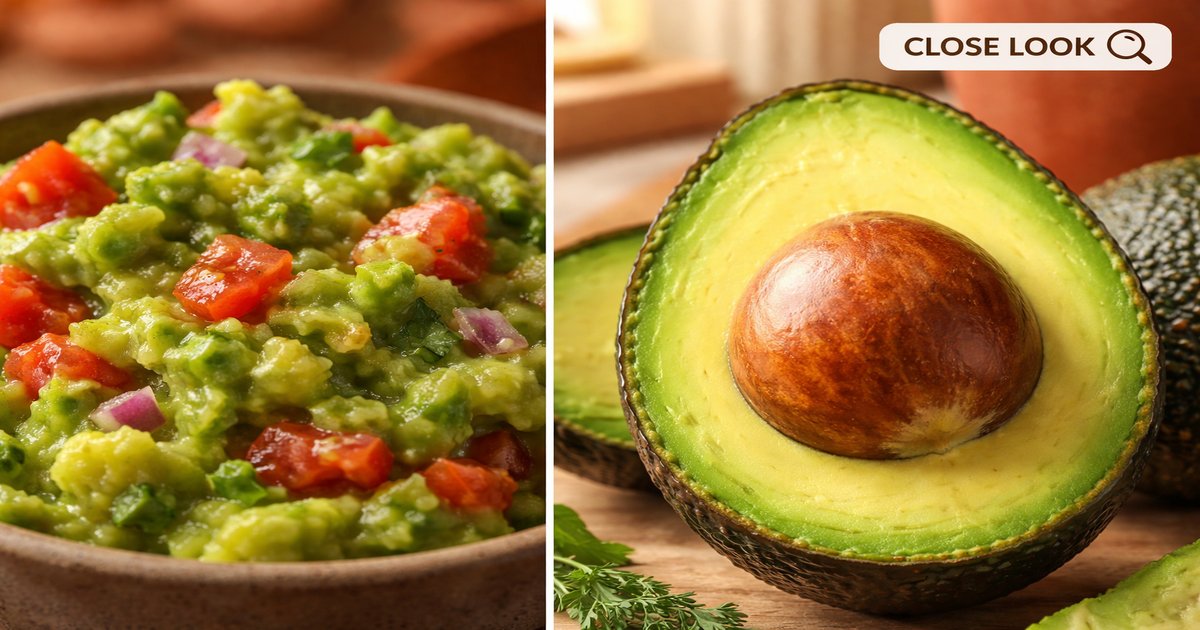
You’re standing in the grocery aisle, eyeing a ripe avocado and a tub of freshly made guacamole. The simplicity of an avocado is tempting, but that guacamole looks like a fiesta in a container. Which one should you toss in your cart?
| Feature | Guacamole | Avocado |
|---|---|---|
| Preparation Required | ✗ | ✓ |
| Flavor Profile | Complex | Simple |
| Caloric Content (per 100g) | 150-200 kcal | 160 kcal |
| Shelf Life | 3-5 days (refrigerated) | 5-7 days (unripe, refrigerated) |
| Ingredients | Multiple | Single |
| Versatility | High | Moderate |
✅ guacamole Pros
- No preparation needed, just open and enjoy.
- Offers a burst of flavors with added ingredients like lime, garlic, and cilantro.
- Great for parties and gatherings as a ready-to-eat dip.
❌ guacamole Cons
- Shorter shelf life once opened.
- Higher sodium content due to added seasonings.
- Quality can vary significantly between brands.
✅ avocado Pros
- Pure and simple ingredient with no additives.
- Rich source of healthy fats and nutrients.
- Versatile for both sweet and savory dishes.
❌ avocado Cons
- Requires preparation time and skill to cut and pit.
- Ripeness can be tricky to judge, leading to waste if overripe.
Flavor and Versatility
Guacamole is the life of the party. With its mix of avocado, lime, cilantro, and other ingredients, it offers a rich, layered flavor that can elevate a simple chip into something special. It’s perfect for those who love a bit of zest and a ready-to-go dip for gatherings. Avocados, on the other hand, are the blank canvas of the culinary world. Their mild, creamy texture makes them ideal for everything from sandwiches to smoothies. If you’re someone who appreciates crafting your own flavors, the avocado gives you that freedom.
Convenience and Shelf Life
If you’re all about convenience, guacamole wins hands down. There’s no need to dice, mash, or season—just pop the lid and you’re ready to dip. However, once opened, guacamole doesn’t last long, even in the fridge. Avocados require a bit more effort, but they can be stored unripe for a few days, giving you flexibility. That said, if you’ve ever attempted to cut an avocado before it’s ripe, you know the struggle. Timing with avocados can be everything, and getting it wrong means missing out on their full potential.
Nutritional Benefits
Avocados are a powerhouse of nutrients. Packed with healthy fats, they offer satiety and a good dose of vitamins like potassium and folate. Guacamole, while also nutritious, often comes with added salt and ingredients that not everyone may want. If you’re watching your sodium intake or prefer knowing exactly what’s in your food, avocados have the upper hand. However, if you’re looking to sneak in some extra veggies and flavors, guacamole can be a delicious way to do so.
What most people overlook is how quickly guacamole can go from fresh to funky once exposed to air. If you’re not planning to consume it in one sitting, avocados might be a safer bet to avoid waste. Also, not all guacamole is created equal—some brands can be watery or overly salty, so read those labels carefully.
Our Final Verdict: Which One Should You Buy?
If you’re a busy bee who loves social gatherings or needs a quick snack with a punch of flavor, go for guacamole. It’s effortless and instantly enjoyable. However, if you’re a health-conscious cook who loves playing with flavors and values simplicity, the avocado is your best friend. Create your own guac or enjoy them in myriad other ways.
Can I freeze guacamole or avocados?
Yes, avocados can be frozen when mashed with a little lime or lemon juice. Guacamole can also be frozen, but it might lose some of its texture and flavor.
How can I prevent my guacamole from turning brown?
To keep guacamole fresh, add lime juice and cover with plastic wrap directly on the surface to minimize air contact.
Are avocados better for weight loss?
Avocados are nutrient-dense and contain healthy fats that can aid in feeling full, making them a suitable option for weight management when consumed in moderation.