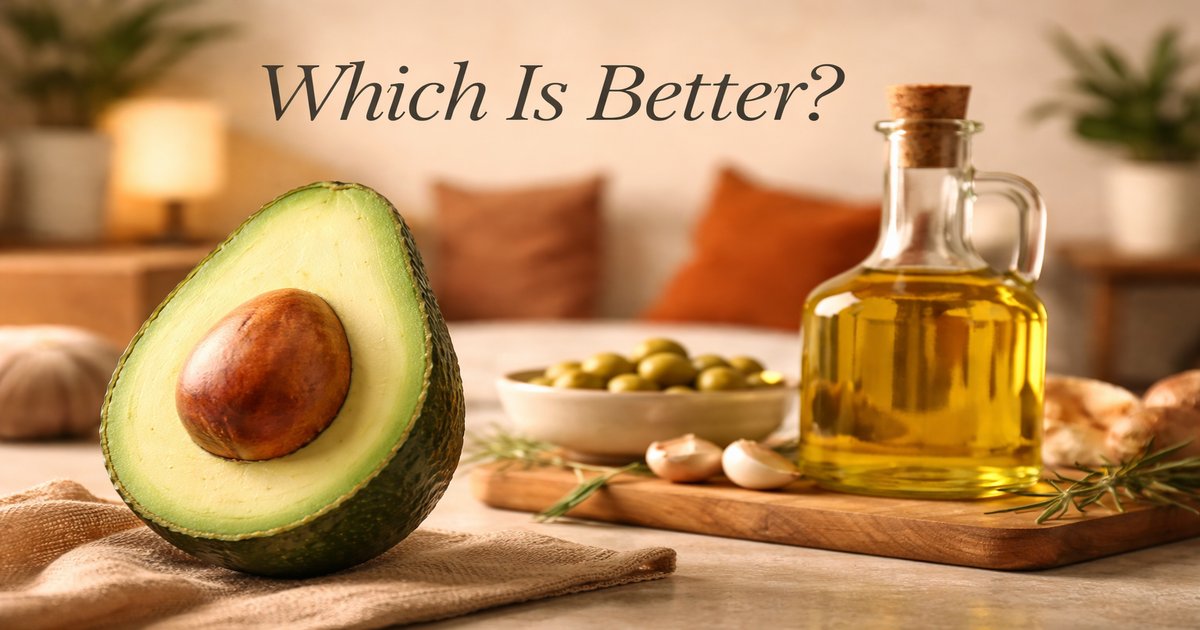
You’re in the kitchen, staring at two bottles: avocado oil and olive oil. Both claim to be the healthier choice, but which one really deserves a spot in your pantry? Let’s cut through the hype and break down which oil is the true MVP of your kitchen game.
| Feature | Avocado Oil | Olive Oil |
|---|---|---|
| Smoke Point | 520°F (271°C) | 375°F (191°C) |
| Monounsaturated Fat | 70% | 73% |
| Polyunsaturated Fat | 10% | 11% |
| Saturated Fat | 20% | 14% |
| Vitamin E Content | High | Moderate |
| Flavor | Mild, buttery | Fruity, peppery |
| Organic Options | ✓ | ✓ |
✅ avocado Pros
- High smoke point makes it ideal for frying.
- Rich in Vitamin E and antioxidants.
- Mild flavor that doesn’t overpower dishes.
❌ avocado Cons
- Generally more expensive than olive oil.
- Can be hard to find in smaller supermarkets.
- Less traditional flavor profile for Mediterranean dishes.
✅ olive oil Pros
- Time-tested for heart health benefits.
- Distinctive, versatile flavor that complements many dishes.
- More affordable and widely available.
❌ olive oil Cons
- Lower smoke point limits cooking methods.
- Quality can vary greatly; not all olive oils are created equal.
Performance: Cooking and Flavor Profiles
When it comes to cooking, avocado oil reigns supreme with its high smoke point of 520°F, making it perfect for frying or grilling without the risk of smoking you out of your kitchen. Olive oil, while fantastic for sautéing and drizzling over salads, chokes at 375°F, limiting your high-heat cooking aspirations. Flavor-wise, avocado oil brings a subtle, buttery essence that lets your ingredients shine, whereas olive oil’s fruity and sometimes peppery notes can be the star of simple dressings or dips.
Build Quality: Nutritional Content
Both oils are packed with monounsaturated fats, but avocado oil edges out with a higher Vitamin E content, offering a boost of antioxidants that olive oil can’t fully match. However, olive oil’s polyphenol content is celebrated for its anti-inflammatory properties. If you’re looking to invest in your health, both oils are worthy contenders, but the choice boils down to whether you prioritize antioxidant content or anti-inflammatory benefits.
Value: Cost vs. Benefits
Olive oil typically wins in the value department, being more affordable and accessible. However, you get what you pay for, as the quality spectrum is vast; a cheap bottle might not deliver the health perks you’re after. Avocado oil is pricier but offers consistency in quality and benefits, especially for those who cook at higher temperatures regularly. It’s a matter of balancing your budget with your culinary and health priorities.
Avocado oil is fantastic, but it’s not always easy on the wallet. You might find it sporadically stocked in stores outside urban areas. Olive oil, while cheaper, can be tricky due to the variance in quality; not every bottle is a health elixir. Be sure to look for extra virgin labels to ensure you’re reaping the full benefits.
Our Final Verdict: Which One Should You Buy?
If you’re a health-conscious cook who frequently uses high-heat methods, avocado oil is your best bet. Its superior smoke point and antioxidant content make it a worthy investment. For those who love Mediterranean flavors and want a budget-friendly option that’s easy to find, olive oil is your kitchen hero. Get it if you enjoy heart-healthy drizzles and flavorful dishes without the high-heat requirement.
Is avocado oil better for frying than olive oil?
Yes, avocado oil’s high smoke point makes it ideal for frying, unlike olive oil which is better for lower heat cooking.
Can I use olive oil for baking?
Absolutely. Olive oil can be a healthy alternative to butter or other oils in baking, lending a unique flavor to baked goods.
Does avocado oil go bad faster than olive oil?
Both oils have a similar shelf life, generally around 6-12 months once opened. Store them in a cool, dark place to maximize longevity.