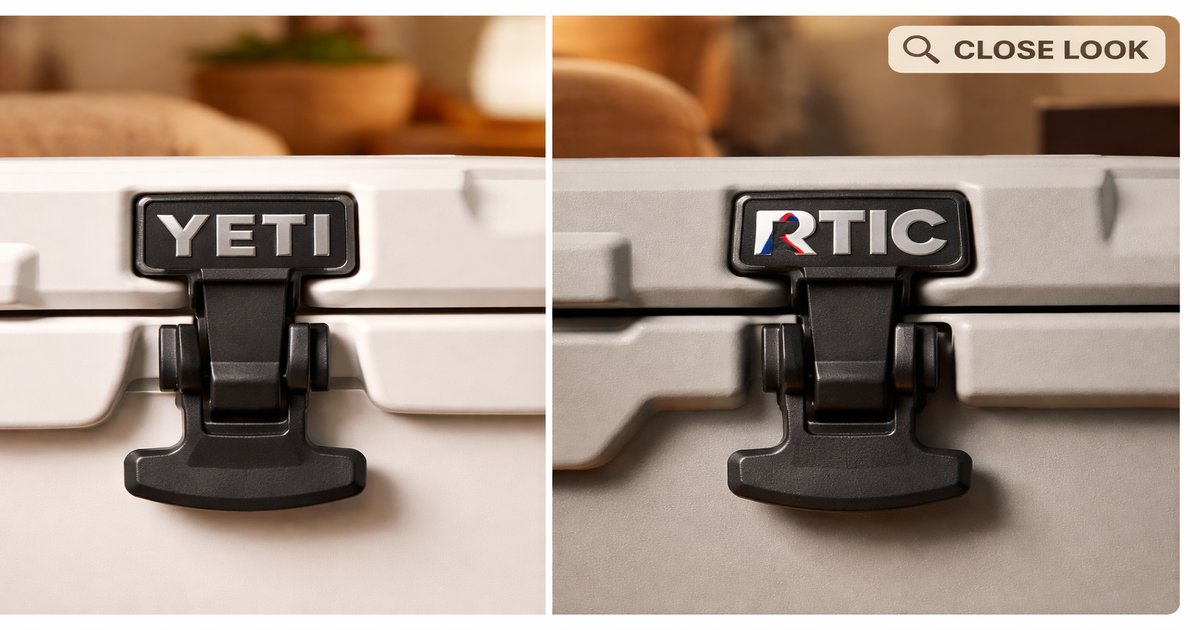
Imagine you’re gearing up for an epic camping trip or a tailgate party. You know you need a cooler that can handle the heat, keep your drinks frosty, and survive a few bumps along the way. Let’s dive into the world of coolers and see how the Yeti and RTIC stack up against each other.
| Feature | Yeti Cooler | RTIC Cooler |
|---|---|---|
| Price Range | $250 – $400 | $150 – $300 |
| Ice Retention | 5-7 days | 4-6 days |
| Build Material | Rotomolded Polyethylene | Rotomolded Polyethylene |
| Weight | 29 lbs (45 qt) | 25 lbs (45 qt) |
| Warranty | 5 years | 1 year |
| Bear Resistant | ✓ | ✓ |
✅ yeti cooler Pros
- Exceptional ice retention; you’ll be the hero of the campsite.
- Durable build that can withstand a beating.
- Comprehensive 5-year warranty for peace of mind.
❌ yeti cooler Cons
- Significantly more expensive than its competitors.
- Heavier, making it a bit of a chore to transport solo.
- Limited color options for those who care about style.
✅ rtic Pros
- More affordable without sacrificing much on performance.
- Lighter weight makes it easier to carry around.
- Comparable ice retention to Yeti for most casual uses.
❌ rtic Cons
- Shorter warranty period, which might deter long-term buyers.
- Slightly less durable over time compared to Yeti.
- Ice retention isn’t as good under extreme conditions.
Performance: Ice Retention and Insulation
When it comes to keeping your ice icy, Yeti takes a slight edge, boasting up to 7 days of ice retention, while RTIC clocks in around 6 days. If you’re going on a long weekend trip, both will serve you well. But if you’re thinking of something more extended, the Yeti might save you the hassle of a mid-trip ice run. On the flip side, for most casual outings, RTIC’s performance is entirely sufficient, especially considering its lower price point.
Build Quality: Durability and Design
Both Yeti and RTIC are constructed from rotomolded polyethylene, ensuring durability and resistance to the elements. However, Yeti tends to stand out with its superior build quality and refined finishing touches, like the interlocking lid system and commercial-grade rubber latches. RTIC isn’t a slouch in this department but lacks the finesse and ruggedness that Yeti offers. If you’re the type to push your gear to its limits, Yeti might be worth the extra bucks.
Value: Cost vs. Benefits
The price difference between these two brands is significant. Yeti is definitely a premium product with a price to match, while RTIC is the budget-friendly alternative. If you’re someone who uses coolers regularly and can justify the upfront investment, Yeti’s durability and warranty make it a solid choice. For budget-conscious consumers or those who need a cooler for occasional outings, RTIC provides excellent value without breaking the bank.
Yeti might wow you with its performance, but its weight is a real drawback when you’re lugging it solo. RTIC, while lighter, can leave you needing a new cooler sooner due to its shorter warranty and slightly less rugged build. These aren’t deal-breakers but are worth considering based on your specific needs.
Our Final Verdict: Which One Should You Buy?
If you’re a hardcore outdoor enthusiast who needs the best performance and durability, and you’re willing to pay for it, go for the Yeti. It’s the cooler for those who camp, fish, or hunt regularly and need something that lasts. On the other hand, if you’re an everyday user looking for a reliable cooler that won’t empty your wallet, the RTIC is your best bet. It offers nearly similar performance at a fraction of the cost, making it perfect for weekend warriors and casual adventurers.
Is the Yeti cooler worth the extra cost?
For frequent users or those needing extreme durability, yes. Yeti offers better ice retention and a longer warranty, justifying the higher price for many.
How does RTIC compare in terms of longevity?
RTIC coolers hold up well for occasional use, but they might not withstand prolonged harsh conditions as well as Yeti, partly due to the shorter warranty period.
Can both coolers fit in a standard car trunk?
Yes, both coolers are designed to fit in most car trunks, but always check dimensions against your vehicle’s space to be sure.