
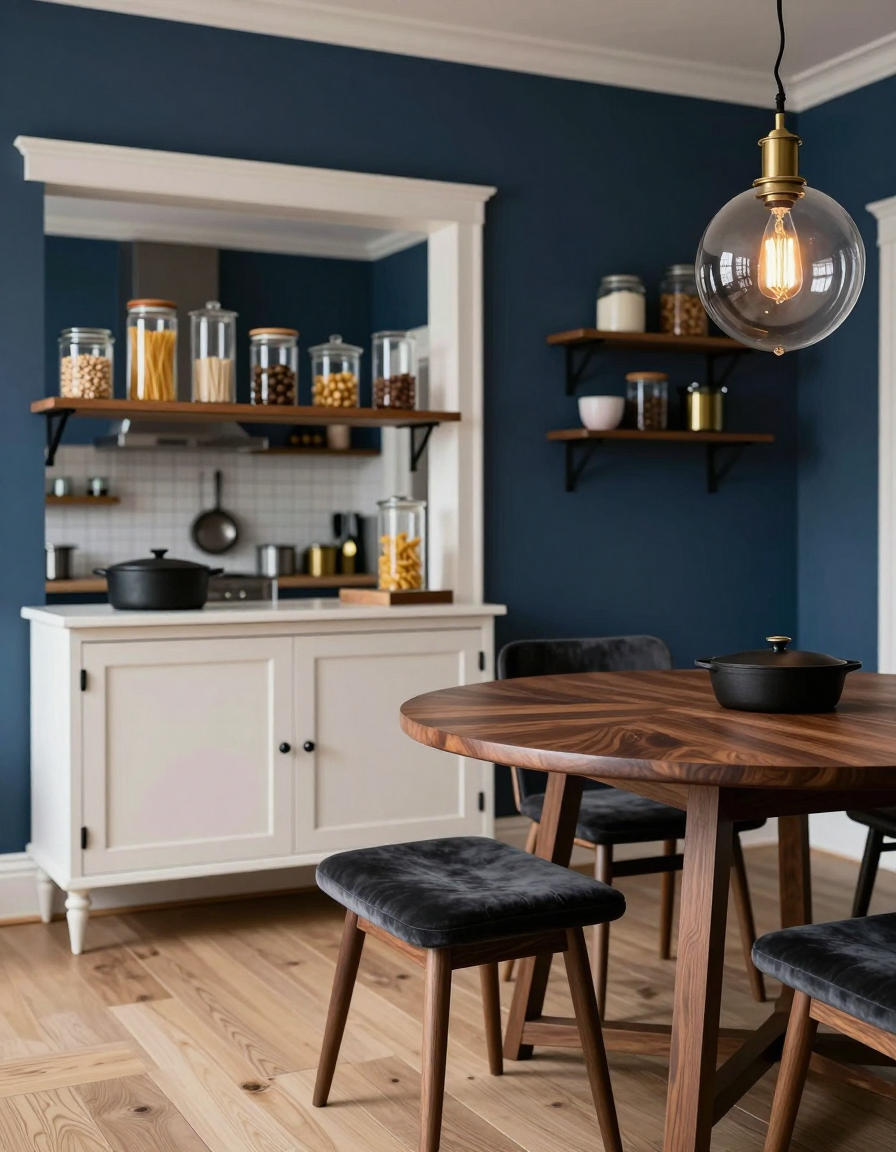
The beauty of a Scandinavian dining room lies in its simplicity and functionality. However, achieving that effortlessly chic look is harder than it seems. Many homeowners fall into common layout traps that disrupt the flow and diminish the overall aesthetic. Here’s how to avoid them and create a dining space that is both beautiful and practical.
Why does layout matter so much in Scandinavian design? Because it’s about more than just aesthetics; it’s about creating a calm, inviting space that promotes well-being. A poorly planned layout can lead to clutter, stress, and a feeling of being cramped, directly contradicting the core principles of Scandi design.
1. Oversized Furniture in a Small Space
A common mistake is choosing a dining table that overwhelms the room. Remember the Scandinavian emphasis on spaciousness. Opt for a smaller, round or rectangular table if space is limited. A 48-inch round table can comfortably seat 4 people and still allow for easy movement around the room. Price ranges: Budget ($150-$300), Mid-range ($300-$600), Luxury ($600+).
2. Neglecting Natural Light
Scandinavian design prioritizes natural light. Avoid blocking windows with tall furniture. If you need window coverings, choose sheer curtains or blinds that allow light to filter through. Position your dining table near a window to maximize natural illumination. This also helps with the overall feeling of openness.
3. Ignoring Traffic Flow
Ensure there’s ample space to move around the table, even when people are seated. Aim for at least 36 inches of clearance between the table and any walls or other furniture. This prevents bottlenecks and makes the dining area feel more inviting. Consider a bench on one side of the table to save space.
4. Overlooking Rug Placement
A rug can anchor your dining area, but the wrong size or placement can disrupt the flow. The rug should be large enough that all chair legs remain on the rug even when pulled out. Ideally, leave at least 24 inches of rug extending beyond the table’s perimeter. Materials like wool or jute add a natural, textural element.
5. Cluttering the Tabletop
While a centerpiece can add character, avoid overcrowding the table with too many decorative items. A simple vase with flowers or a single, sculptural object is often enough. Keep the tabletop clear of unnecessary items to maintain a sense of calm and order.
6. Mismatched Chair Styles
While mixing and matching chairs can add personality, be careful not to create a chaotic look. Choose chairs with similar heights, materials, or styles to maintain a cohesive aesthetic. Consider sticking to a consistent color palette or silhouette to tie the chairs together. Price ranges: Budget ($50-$150 per chair), Mid-range ($150-$300), Luxury ($300+).
7. Forgetting About Storage
Even in a dining room, storage is crucial. A sideboard or credenza can provide space for storing dishes, linens, and other dining essentials. Choose a piece with clean lines and a light wood finish to complement the Scandinavian aesthetic. Consider incorporating a wall-mounted shelving unit for displaying decorative items. Price ranges: Budget ($200-$500), Mid-range ($500-$1200), Luxury ($1200+).
Who This Works For: This guide is perfect for apartment dwellers, homeowners with small dining spaces, and anyone seeking to create a minimalist, functional, and beautiful Scandinavian-inspired dining area.