
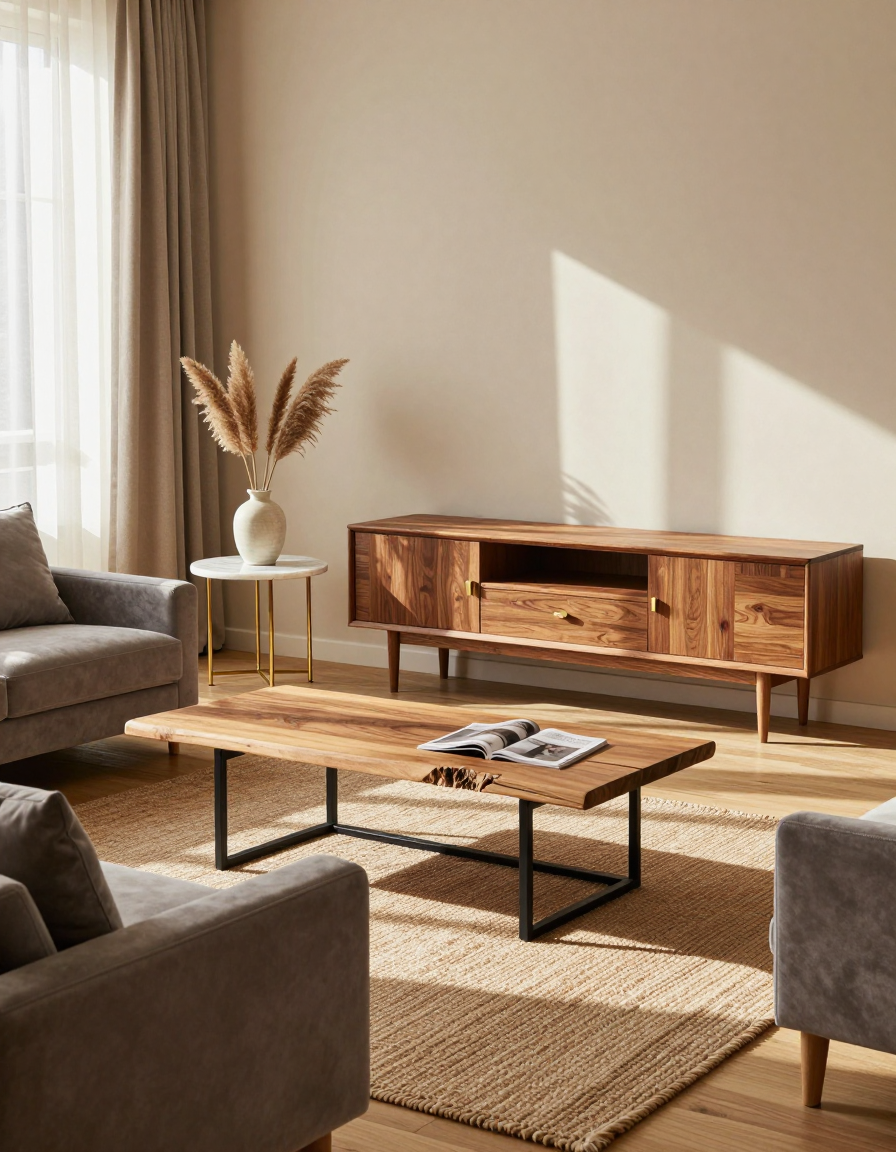
Struggling to achieve that effortlessly airy and functional Scandinavian living room? It’s not just about minimalist furniture; it’s about understanding how to plan the space to maximize light, flow, and comfort. The beauty of Scandinavian design lies in its simplicity, which demands careful consideration of every element and its placement. Poor space planning can lead to a cluttered, uninviting room that feels far from the hygge ideal. Here are some insider secrets to help you achieve that perfect balance.
1. Prioritize Natural Light and Viewing Angles
Start by analyzing the natural light sources. Arrange your seating to take advantage of the sunlight during the day, but avoid direct glare on the TV screen. Consider how the light changes throughout the day and how it will affect your furniture placement. Open up viewing angles to the outdoors, if possible, to create a sense of spaciousness, even in smaller rooms.
2. Define Zones with Rugs and Furniture Groupings
Use area rugs to visually separate different zones within the living room, such as a seating area and a reading nook. Anchor your furniture groupings with rugs that are large enough to accommodate at least the front legs of your sofa and chairs. This creates a cohesive and intentional feel, preventing the furniture from feeling scattered.
3. Embrace Multi-Functional Furniture
In a Scandinavian living room, every piece should earn its place. Opt for furniture that serves multiple purposes, such as a coffee table with hidden storage (Budget: $150-$400), an ottoman that doubles as extra seating (Mid-range: $300-$700), or a sofa bed for accommodating guests. Prioritize clean lines and light-colored upholstery to maintain a sense of airiness.
4. Consider Traffic Flow and Pathways
Ensure clear pathways throughout the living room to facilitate easy movement. Avoid placing furniture in a way that obstructs walkways or creates bottlenecks. Aim for at least 30 inches of clearance between furniture pieces to allow for comfortable passage. Visualizing the flow of traffic will help you create a functional and inviting space.
5. Utilize Wall Space for Storage and Display
Maximize vertical space by incorporating floating shelves or wall-mounted cabinets for storage and display. Keep the lower levels clutter-free to maintain a sense of openness. Use the upper shelves for decorative items, books, and plants to add personality and warmth to the room. (Shelving: Budget $80 – Mid-range $500)
6. Scale Furniture to Room Size
Avoid overcrowding a small living room with oversized furniture. Choose pieces that are proportionate to the room’s dimensions. In smaller spaces, opt for a loveseat instead of a full-sized sofa, and select a coffee table that is appropriately sized for the seating area. This will help to create a balanced and harmonious space.
7. The “Negative Space” Rule
Embrace negative space to prevent a cluttered look. Leave breathing room between furniture pieces and avoid filling every corner of the room. This allows the eye to rest and creates a sense of calm and tranquility, which is essential to the Scandinavian aesthetic.
Who This Works For: Renters, small families, apartment dwellers, and anyone seeking a minimalist and functional living space.