
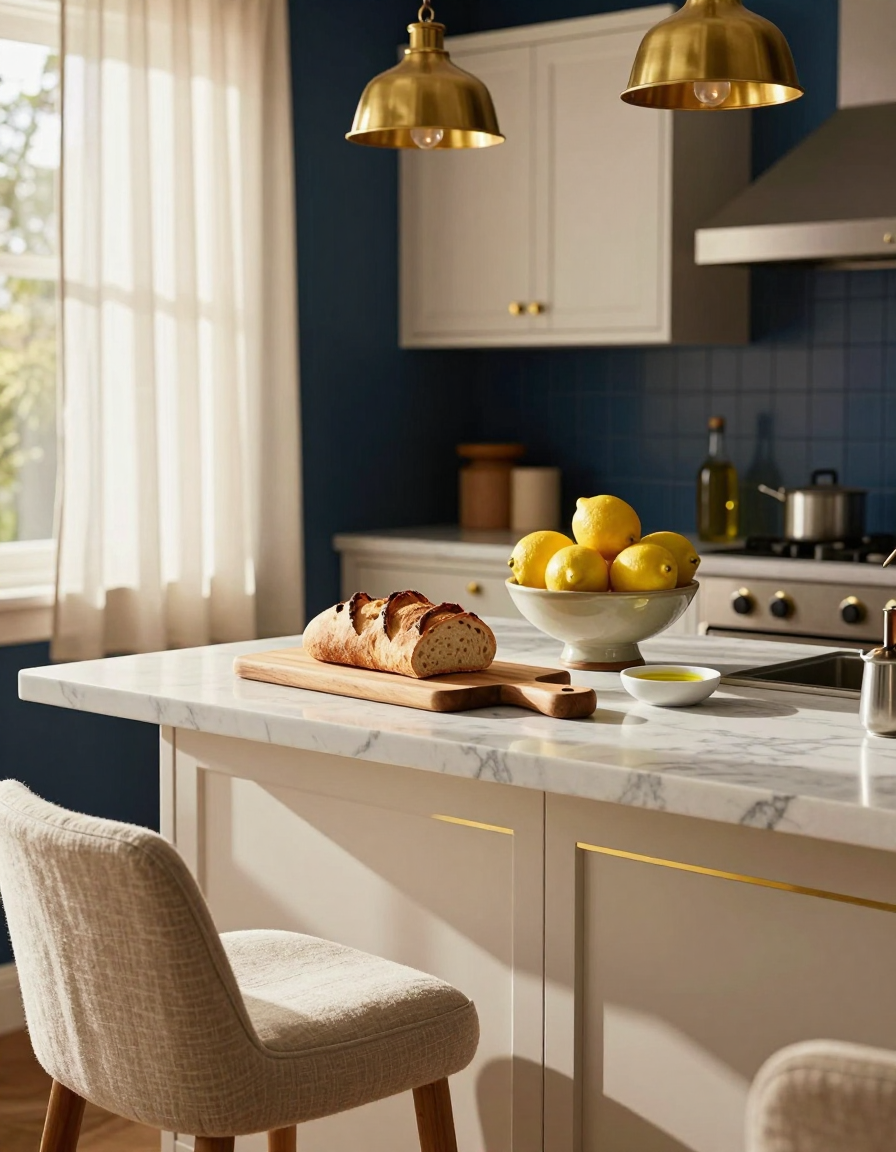
Is your traditional kitchen suffering from inadequate lighting, making cooking a chore rather than a joy? The right task lighting isn’t just about brightness; it’s about enhancing the functionality and warmth of your space, a crucial element in traditional design which values both beauty and practicality. Follow this step-by-step guide to transform your kitchen with perfectly placed traditional task lighting.
1. Assess Your Current Lighting Situation
Begin by evaluating your existing kitchen lighting. Identify dark areas, shadows, and where you typically perform tasks like chopping vegetables or reading recipes. Make a note of these problem spots as this will guide your lighting choices and placement. Consider the overall ambiance – is it too harsh or too dim?
2. Layer Your Lighting
Traditional kitchens benefit from layered lighting, combining ambient (general), task, and accent lighting. For task lighting, focus on areas where you need focused illumination: countertops, sinks, and stovetops. Aim for at least 70-80 lumens per square foot for task areas. This prevents eye strain and ensures safety.
3. Under-Cabinet Lighting: A Classic Choice
Install LED strip lights or puck lights under your upper cabinets. These provide direct illumination on countertops, perfect for food preparation. Opt for warm white (2700K-3000K) LEDs to complement the warm tones often found in traditional kitchens. Budget: ($50-$200), Mid-range ($200-$400) for dimmable options.
4. Pendant Lights Over the Island or Sink
Hang pendant lights over your kitchen island or sink. Choose fixtures with traditional designs, such as those with glass shades or brass accents. Ensure the bottom of the pendant is approximately 30-36 inches above the countertop. Consider using dimmers to adjust the brightness as needed. Mid-range ($200-$800), Luxury ($800+).
5. Recessed Lighting (Strategic Placement)
While not always the first choice for traditional kitchens, recessed lighting can provide valuable ambient and task lighting when strategically placed. Position them to illuminate walkways and areas where other task lighting might not reach. Use warm-toned bulbs and consider trim styles that complement your cabinetry.
6. Dimmers for Versatility
Install dimmers on all your task lighting circuits. This allows you to adjust the brightness based on the time of day and the task at hand. Dimmers add a touch of modern convenience while maintaining the traditional aesthetic.
7. Highlight Architectural Details
Use strategically placed task lighting to highlight architectural details or decorative elements within your traditional kitchen. A small spotlight above a display cabinet, for example, can draw attention to prized china or antique glassware. This adds depth and visual interest to the space.
Who This Works For: This approach is ideal for homeowners seeking to enhance both the functionality and aesthetic appeal of their traditional kitchens. It’s particularly beneficial for those who enjoy cooking and entertaining, and who value a warm, inviting atmosphere.