
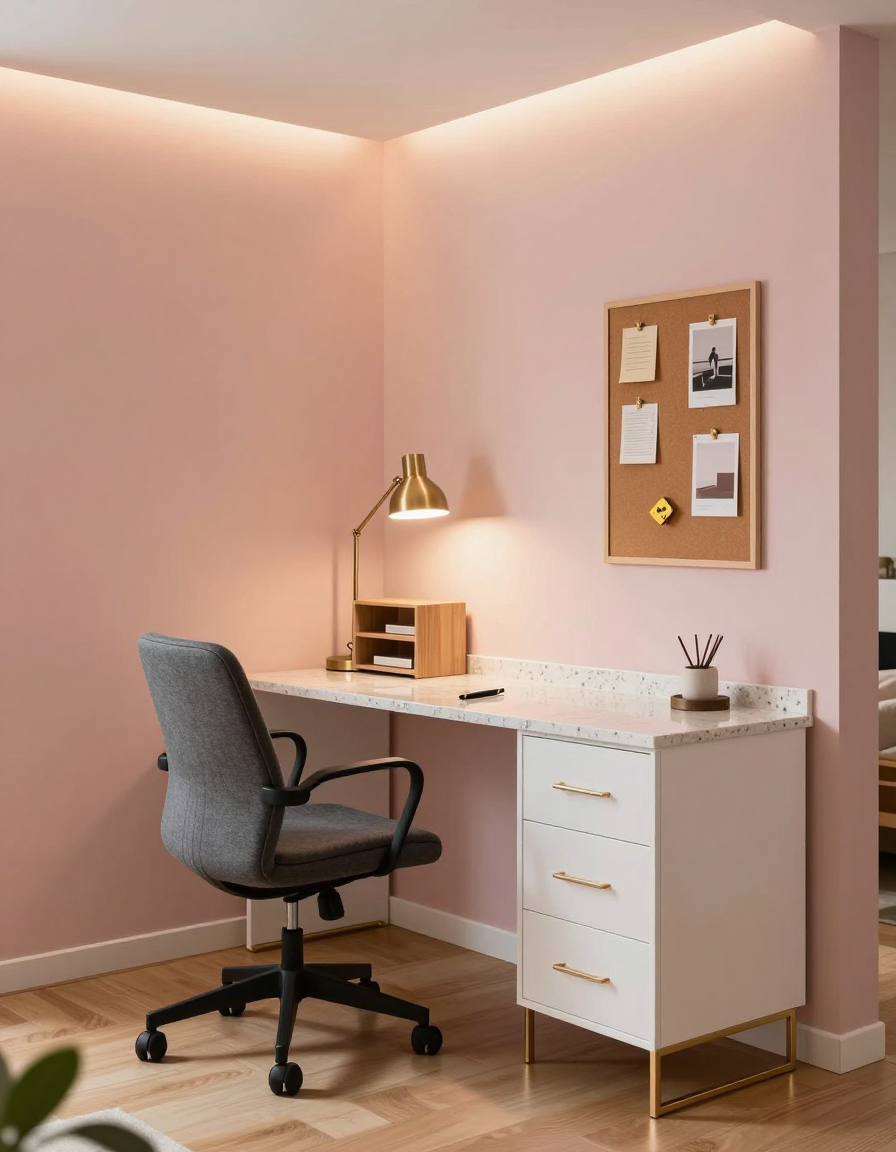
Feeling overwhelmed trying to create a functional yet aesthetically pleasing minimalist home office in a limited space? It’s a common challenge, but with a few insider secrets, you can achieve a workspace that boosts productivity and serenity. The key is to prioritize essential elements and eliminate visual clutter, which directly aligns with the core principles of minimalist design.
1. Embrace Multi-Functional Furniture
Choose furniture that serves multiple purposes. A wall-mounted desk that folds away when not in use is a fantastic space-saver. Look for ottomans with built-in storage for files or supplies. This eliminates the need for bulky furniture, maximizing your available area. Budget options exist at IKEA, while mid-range options from brands like West Elm offer more style and durability. Luxury brands, such as Herman Miller, provide ergonomic designs that will last for many years.
2. Vertical Storage is Your Best Friend
Instead of spreading outwards, build upwards! Floating shelves are ideal for storing books, plants, or decorative items without taking up floor space. Opt for shelves in a light wood or white to maintain a clean, minimalist aesthetic. Consider the height of your ceilings and choose shelves that extend nearly to the top. Prices range from budget-friendly DIY options using brackets from Home Depot to custom-built shelving from local carpenters (Luxury).
3. Conquer Cable Clutter
Nothing disrupts a minimalist aesthetic like tangled cords. Invest in cable management solutions such as cable ties, cord organizers, and power strip covers. Consider a monitor stand with built-in USB ports and charging capabilities. This keeps your desk surface clear and visually calming. Budget options can be found on Amazon, while mid-range solutions from brands like Bluelounge offer more sophisticated designs.
4. Optimize Your Lighting
Good lighting is crucial for a functional and visually appealing workspace. Utilize natural light as much as possible. Supplement with a minimalist desk lamp that provides focused illumination. Choose a lamp with adjustable brightness settings to reduce eye strain. Avoid harsh, overhead lighting, which can feel sterile and distracting. Budget-friendly LED lamps are widely available, while brands like Anglepoise offer iconic, mid-range options.
5. Color Palette Considerations
Stick to a neutral color palette to create a sense of calm and spaciousness. White, gray, and beige are excellent choices. Add pops of color with plants or artwork, but keep the overall palette cohesive. A monochromatic color scheme with subtle textures provides a sophisticated and minimalist aesthetic. Consider painting your walls a light, reflective color to maximize natural light.
6. Clear Desk, Clear Mind
Implement a daily decluttering routine. At the end of each workday, take a few minutes to clear your desk of unnecessary items. Store papers, pens, and other supplies in designated storage containers. A clean desk promotes focus and reduces stress, essential for a productive minimalist workspace.
Who This Works For: This approach is ideal for apartment dwellers, remote workers with limited space, and anyone seeking a calming and productive work environment. It particularly benefits renters, as many of these solutions are non-permanent and easily adaptable to different spaces.