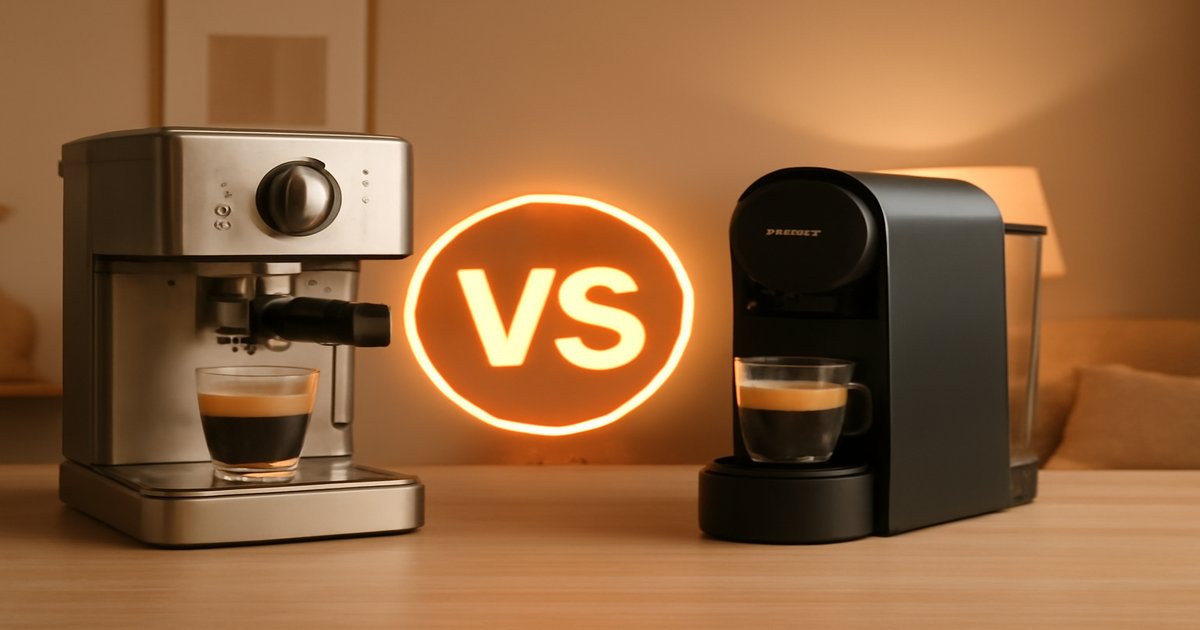
Imagine waking up to the rich aroma of freshly brewed coffee — the perfect start to your day. But here’s the dilemma: do you go for the artisanal charm of an espresso machine or the quick convenience of a Nespresso? Each has its unique charm and promises to elevate your coffee game, but which is the right fit for your lifestyle?
| Feature | Espresso Machine | Nespresso |
|---|---|---|
| Brewing Time | 5-7 minutes | 1-2 minutes |
| Coffee Quality | Barista-grade | Consistently good |
| Portability | ✗ | ✓ |
| Customization | High | Limited |
| Ease of Use | Complex | Simple |
| Price Range | $200-$3000 | $100-$500 |
✅ espresso machine Pros
- Unmatched control over brewing parameters.
- Produces superior, barista-quality espresso.
- Allows for various coffee styles and flavors.
❌ espresso machine Cons
- Steep learning curve for beginners.
- Requires regular maintenance and cleaning.
- Generally more expensive than pod machines.
✅ nespresso Pros
- Quick and effortless brewing process.
- Compact and space-saving design.
- Consistent quality with minimal effort.
❌ nespresso Cons
- Limited to proprietary pods, which can be costly.
- Less control over brewing variables.
- Flavor variety and depth are limited compared to fresh grounds.
Performance and Coffee Quality
When it comes to coffee quality, espresso machines offer an edge. The ability to tweak grind size, water temperature, and pressure means you can perfect your shot, achieving a rich, crema-topped espresso that rivals your favorite café. Nespresso, while not as customizable, delivers consistent results with its pre-measured pods. For the coffee purist, the espresso machine is the hands-down winner, but if you value consistency and convenience, Nespresso won’t disappoint.
Ease of Use and Convenience
If you’re not a morning person, a Nespresso might be your best friend. Pop in a pod, press a button, and boom — coffee in under two minutes. Espresso machines, on the other hand, require a bit more love and attention. From grinding beans to frothing milk, the process is more involved and can be intimidating for newbies. However, for some, the ritual is part of the charm, making the extra effort worthwhile.
Value and Cost Efficiency
Espresso machines can be a significant investment upfront, especially the high-end models. But if you’re an espresso enthusiast who spends a small fortune at coffee shops, it’ll pay for itself over time. Nespresso machines are more wallet-friendly initially, but the cost of pods can add up quickly. If you’re a frequent coffee drinker, you’ll want to weigh the ongoing cost of pods against the flexibility and potential savings of using your own beans with an espresso machine.
Espresso machines demand patience and practice — it could take weeks before you pull a decent shot. On the flip side, Nespresso’s reliance on pods means you’ll have to deal with the environmental impact of single-use packaging. Neither option is perfect, but understanding these nuances can help you make a better decision.
Our Final Verdict: Which One Should You Buy?
If you’re an aspiring home barista with a passion for crafting the perfect cup, an espresso machine will be your playground. It’s meant for those who appreciate the art of espresso and are willing to invest time and money into their hobby. On the other hand, if you crave convenience and consistency, especially in a small apartment or busy lifestyle, Nespresso is a perfect match. Its simplicity and speed make it ideal for those who want good coffee with minimal fuss.
Is an espresso machine difficult to maintain?
Yes, they require regular cleaning to maintain performance and prevent buildup. Expect to descale, clean the portafilter, and flush the machine regularly.
Can I use third-party pods with Nespresso?
Some third-party pods are compatible with Nespresso machines, but quality can vary. It’s best to try a few to see which ones meet your taste and budget.
How long does each machine typically last?
With proper maintenance, a good espresso machine can last over a decade. Nespresso machines tend to have a shorter lifespan, typically 5-7 years, depending on usage.