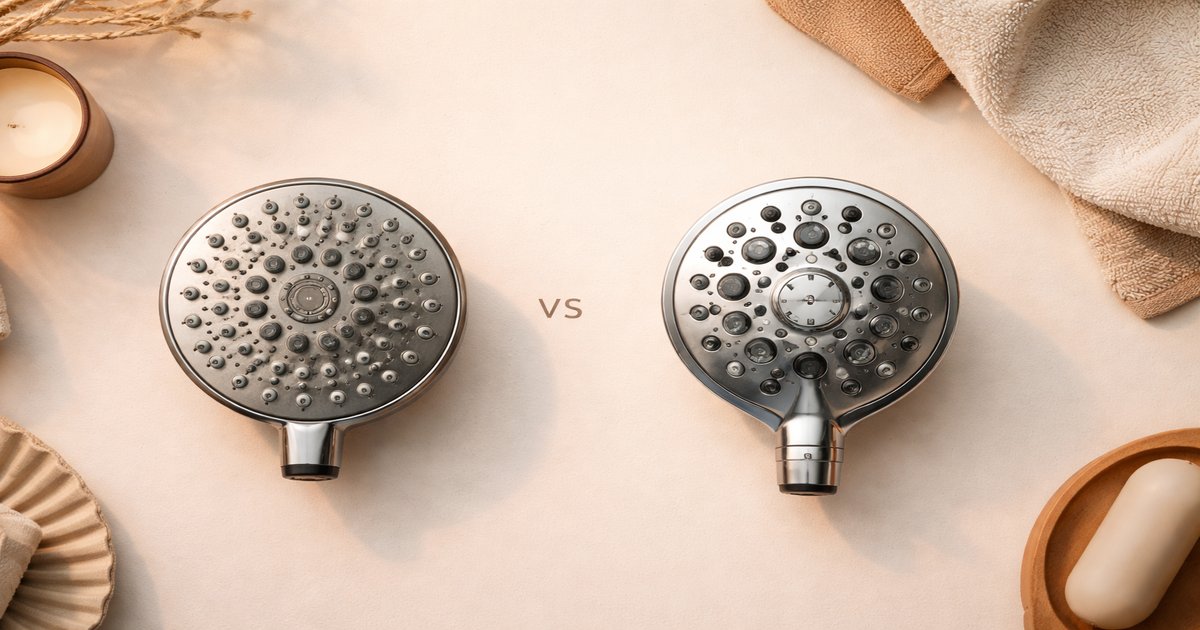
Imagine stepping into your shower after a long day, craving that perfect water pressure to wash away your stresses. You need a showerhead that delivers both relaxation and invigorating pressure. Enter the Delta Shower Head and the Waterpik — two big names in the shower game promising to elevate your daily rinse. But which one should you trust to transform your shower experience?
| Feature | Delta Shower Head | Waterpik |
|---|---|---|
| Flow Rate | 1.75 GPM | 2.5 GPM |
| Spray Settings | 5 | 7 |
| Installation | ✓ Tool-Free | ✓ Tool-Free |
| Handheld Option | ✗ | ✓ |
| Material | Metal | Plastic |
| Warranty | Lifetime Limited | 5 Years |
✅ delta shower head Pros
- Durable metal construction ensures longevity.
- Innovative water-saving technology without sacrificing pressure.
- Easy tool-free installation.
❌ delta shower head Cons
- Limited to 5 spray settings.
- No handheld option for versatility.
✅ waterpik Pros
- High flow rate for powerful water pressure.
- Seven spray settings provide plenty of customization.
- Includes a handheld option for added convenience.
❌ waterpik Cons
- Predominantly plastic construction feels less sturdy.
- Higher water consumption might not be eco-friendly.
Performance: Pressure and Flow
Delta offers a solid 1.75 GPM, balancing water conservation and pressure. It’s perfect if you’re conscious about water usage but still want a decent flow. Waterpik, on the other hand, cranks it up to 2.5 GPM, delivering a robust shower experience that feels like a mini power wash. If you like your showers with intense pressure, Waterpik wins hands down. But if you’re in a drought-prone area or just trying to cut back on water bills, Delta makes more sense.
Build Quality: Metal vs. Plastic
Delta’s metal construction is a standout, offering durability and a premium feel that’s hard to beat. It’s built to last and withstands daily use without showing wear. Waterpik’s plastic build, while lighter and easier to handle, doesn’t inspire the same confidence. It’s more susceptible to wear and tear over time, so if you’re after something that lasts, Delta’s the sturdier option. But if you’re upgrading on a budget, Waterpik’s lighter price tag is tempting.
Value: Features vs. Cost
Waterpik packs in more features with its seven spray settings and handheld option, making it a versatile choice for families who like variety in their showers. It’s reasonably priced for what you get, though you might find yourself replacing it sooner due to its build. Delta, while slightly more expensive, offers a no-frills, reliable shower experience with fewer settings but a more robust construction. It’s a classic case of getting what you pay for — reliability and durability with Delta, versatility and initial savings with Waterpik.
Both shower heads deliver on their promises, but neither is perfect. Delta lacks the versatility of a handheld option, which can be a dealbreaker if you need flexibility. Waterpik’s higher water flow is great for pressure, but it can hike your water bill if you’re not careful. Always factor in your water usage habits and bathroom setup before deciding.
Our Final Verdict: Which One Should You Buy?
If you prioritize durability and water conservation, go with the Delta Shower Head. It’s a great fit for eco-conscious users who appreciate quality over quantity. Opt for the Waterpik if you love intense water pressure and variety in your shower settings. Perfect for those who want a spa-like experience without breaking the bank.
Does the Delta Shower Head fit all standard shower arms?
Yes, it fits all standard shower arms and installs without tools.
Is the Waterpik easy to clean and maintain?
Yes, the Waterpik features easy-clean nozzles, though its plastic build may require gentler handling.
How long can I expect each showerhead to last?
The Delta is built to last with a lifetime warranty, while the Waterpik offers a 5-year warranty, reflecting its shorter lifespan.