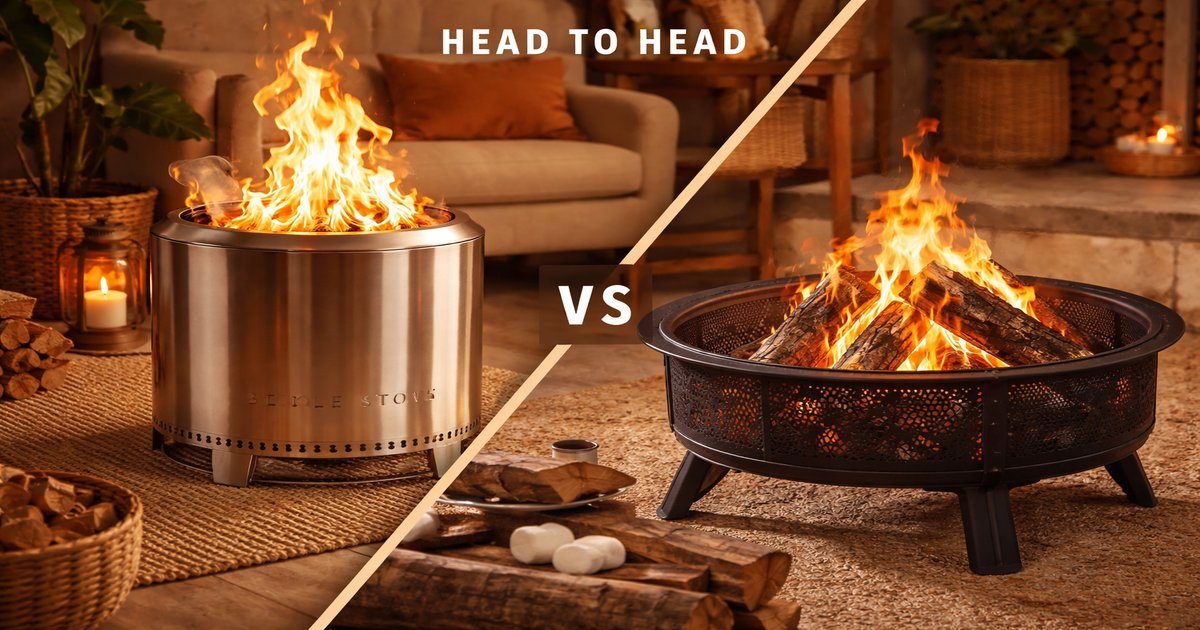
Imagine this: a chilly evening, a group of friends, and the allure of a dancing flame. Whether you’re a backyard bonfire enthusiast or a camping aficionado, choosing between a Solo Stove and a traditional fire pit can make all the difference in your outdoor experience.
| Feature | Solo Stove | Traditional Fire Pit |
|---|---|---|
| Portability | ✓ | ✗ |
| Smokeless Experience | ✓ | ✗ |
| Price Range | $250 – $500 | $100 – $300 |
| Material | Stainless Steel | Varies (Steel, Stone, etc.) |
| Ease of Setup | ✓ | ✗ |
| Cooking Capability | ✗ | ✓ |
✅ solo stove Pros
- Highly portable and lightweight.
- Provides a nearly smokeless flame.
- Quick and easy setup.
❌ solo stove Cons
- Higher price point.
- Limited cooking capabilities.
- Requires specific wood types for optimal performance.
✅ fire pit Pros
- More affordable options available.
- Versatile cooking potential.
- Variety of styles to suit aesthetic preferences.
❌ fire pit Cons
- Typically heavier and less portable.
- Can produce significant smoke.
- Setup can be cumbersome.
Performance: Smokeless vs. Traditional Flames
When it comes to performance, the Solo Stove is a game-changer with its nearly smokeless flame. Thanks to its double-wall design, it burns wood more efficiently, producing less smoke and a more enjoyable experience for those around the fire. In contrast, traditional fire pits can be smoke machines, especially if the wood isn’t perfectly dry. If you hate the smell of smoke lingering in your clothes, the Solo Stove is the way to go. But if you love the nostalgic crackle and unpredictability of a traditional fire, a regular fire pit might satisfy your inner pyromaniac.
Build Quality: Stainless Steel vs. Varied Materials
The Solo Stove’s stainless steel construction not only offers durability but also a sleek, modern look that stands up to the elements. It’s built to last, even if you’re lugging it around from campsite to campsite. Traditional fire pits, on the other hand, come in a variety of materials like stone, steel, or cast iron. While some of these can be incredibly sturdy, the build quality can vary significantly based on price and design. You might enjoy customizing your fire pit setup, but if longevity and low maintenance are key for you, the Solo Stove gets the nod.
Value: Upfront Cost vs. Long-term Enjoyment
Here’s where your wallet starts to sweat: the Solo Stove isn’t cheap. Its upfront cost is higher, but you’re paying for a premium experience with minimal smoke and hassle. If you frequently camp or host outdoor gatherings, this investment pays off in the long run. Traditional fire pits, however, offer a lower price of entry, appealing if you’re just dipping your toes into the world of backyard fires. Just remember, you might spend more time managing smoke and dealing with setup. Weigh your budget against how often you’ll actually use it.
Both options have hidden pitfalls. The Solo Stove, while efficient, requires specific wood for optimal performance and won’t cook your meals. Traditional fire pits might be cheaper, but smoke management is a real hassle, and rust can be an issue if they aren’t maintained properly.
Our Final Verdict: Which One Should You Buy?
If you’re a frequent camper or love hassle-free backyard gatherings, opt for the Solo Stove. It’s perfect for those who prioritize portability and a smoke-free experience. On a tighter budget or love cooking over an open flame? Go for a traditional fire pit. It’s a classic choice for those who relish the full, smoky bonfire experience and enjoy versatile outdoor cooking.
Can you cook on a Solo Stove?
While primarily designed for warmth and ambiance, you can use accessories like grill tops with a Solo Stove, but it’s not its primary function.
How durable are traditional fire pits?
The durability varies. Stone and cast iron options can last for years with proper care, but cheaper steel models might rust without maintenance.
Does the Solo Stove require special wood?
For best results, use dry hardwoods like oak or maple. Wet or soft woods can produce more smoke, negating its smokeless advantage.