
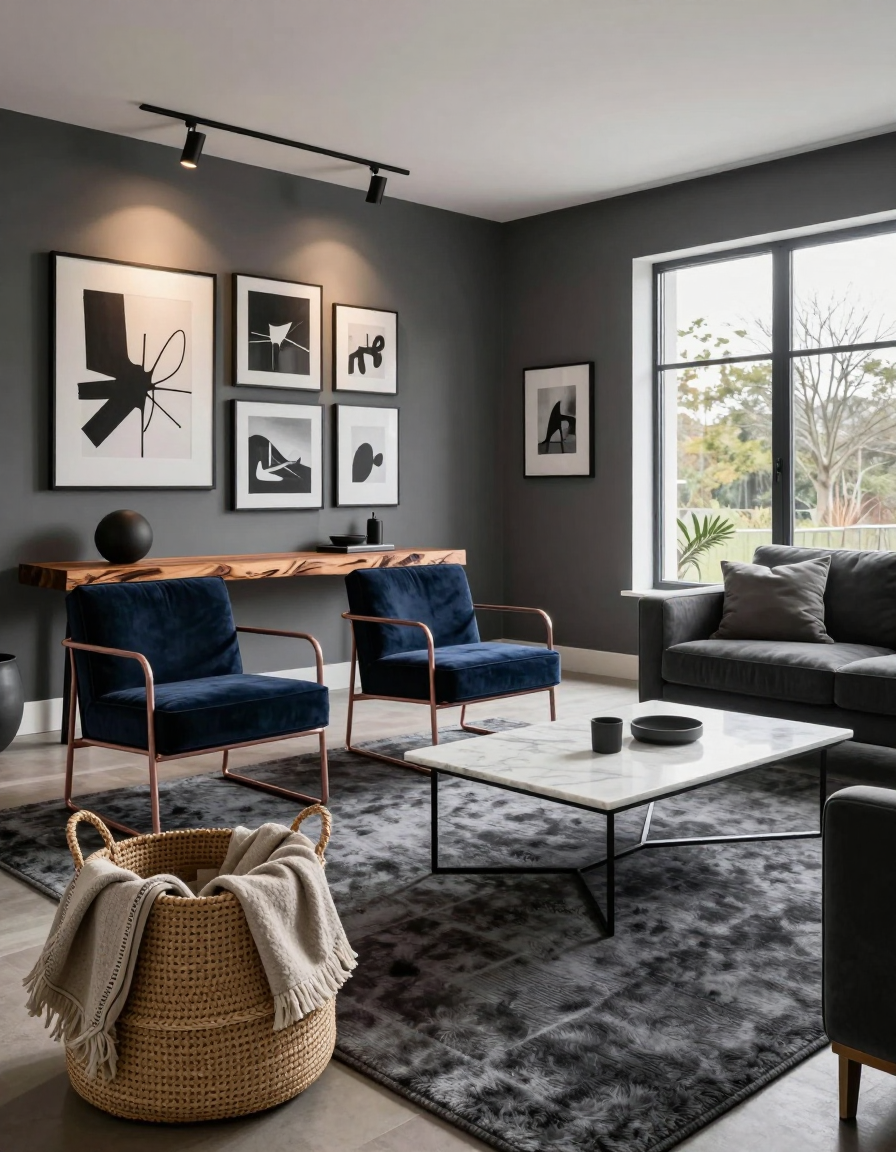
Creating a stylish, contemporary living room doesn’t have to come at the expense of the planet. Thoughtful space planning using sustainable and eco-friendly choices allows you to design a beautiful and responsible living area. This guide focuses on eco-conscious approaches to maximize space and minimize environmental impact.
1. Prioritize Multi-Functional Furniture with Sustainable Materials
Opt for pieces that serve multiple purposes and are made from sustainably sourced materials like bamboo, reclaimed wood, or recycled fabrics. A sofa bed made with organic cotton cushions offers seating and sleeping space while minimizing your footprint. Budget: $500-$1500, Mid-range: $1500-$3000, Luxury: $3000+.
2. Optimize Natural Light and Energy-Efficient Lighting
Arrange furniture to maximize natural light, reducing the need for artificial illumination. Complement this with energy-efficient LED lighting. Consider installing dimmer switches to control light levels and conserve energy. Philips Hue smart bulbs allow for customization and energy monitoring. Budget: $50-$200, Mid-range: $200-$500, Luxury: $500+.
3. Define Zones with Eco-Friendly Rugs
Use rugs made from natural fibers like jute, sisal, or organic wool to delineate different areas within your living room (e.g., reading nook, conversation area). These rugs are biodegradable and add texture and warmth to the space. A 6×9 jute rug can cost between $150-$400.
4. Incorporate Vertical Greenery
Install a living wall or use tall, potted plants to bring nature indoors and improve air quality. Choose native plant species that require minimal watering and maintenance. A DIY living wall kit can start around $100.
5. Choose Low-VOC Paint and Finishes
When painting walls or refinishing furniture, select paints and finishes with low or zero volatile organic compounds (VOCs) to reduce indoor air pollution. Brands like ECOS Paints and AFM Safecoat offer excellent low-VOC options. Expect to pay around $40-$60 per gallon.
6. Embrace Minimalism and Reduce Clutter
A decluttered space feels larger and more inviting. Invest in storage solutions made from sustainable materials, such as bamboo baskets or reclaimed wood shelves, to keep items organized and out of sight. A set of three bamboo baskets may cost between $30-$80.
7. Repurpose and Upcycle Existing Furniture
Before buying new furniture, consider repurposing or upcycling existing pieces. A fresh coat of low-VOC paint or new sustainable fabric upholstery can give old items a new lease on life. Professional reupholstering can range from $200-$1000 per piece.
Who This Works For: This approach works well for renters (portable planters and rugs), homeowners, families (durable, washable materials), and pet owners (stain-resistant, natural fiber rugs).