



In a world where the pursuit of fitness often leads us down a maze of complex workouts and unending diet fads, it is easy to overlook the simplicity of a solid foundation. At the core of our physical abilities lies a remarkable system of muscles, the core, a central anchor that not only supports our everyday movements but also plays a pivotal role in achieving overall physical well-being. Enter Pilates, a transformative form of exercise that transcends the clutter of trendy workouts, focusing on the art of core stability. In this article, we will explore how Pilates meticulously enhances core strength and stability, offering a holistic approach to fitness that empowers individuals to move with confidence and fluidity. Join us on this journey as we delve into the principles and benefits of Pilates, revealing how this timeless practice can fortify your foundation and elevate your fitness journey.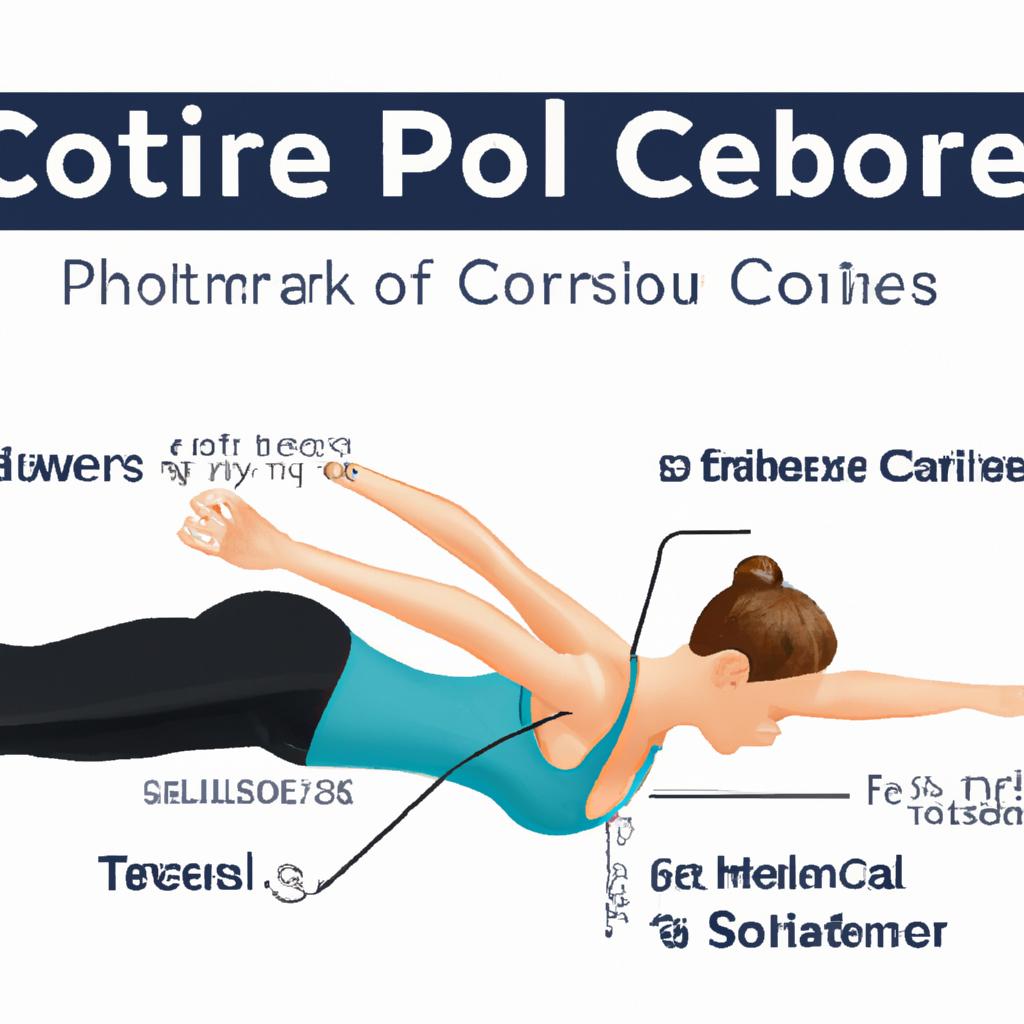
Exploring the Core: The Anatomy of Stability in Pilates
Pilates is renowned for its emphasis on core strength, which serves as the foundation for overall physical stability and movement efficiency. The core is not merely the abdominal muscles; it encompasses a complex group of muscles, including the **transverse abdominis**, **pelvic floor**, and **multifidus**. These muscles work in concert to support the spine, maintain proper alignment, and enable dynamic movement. One of the key principles of Pilates is the concept of the “powerhouse,” where practitioners learn to engage these muscles effectively, fostering a deeper mind-body connection that enhances movement precision and functionality.
Incorporating specific exercises into your Pilates routine can cultivate this essential strength and stability. Here are some effective techniques to consider:
- Plank Variations: Strengthen the entire core while promoting shoulder and hip stability.
- Bridge Pose: Engages the glutes and lower back, emphasizing pelvic stability.
- Roll Up: Develops flexibility and control, challenging core engagement.
To visualize the role of various muscle groups in core stability, consider the following table summarizing these components:
| Muscle Group | Function |
|---|---|
| Transverse Abdominis | Stabilizes the spine and pelvis during movement |
| Pelvic Floor | Supports abdominal organs and assists with stability |
| Multifidus | Provides segmental support and maintains spinal alignment |
By weaving these elements into a consistent Pilates practice, individuals can experience improved core stability. This stability is not only crucial for athletic performance but also for daily activities, reducing the risk of injury and enhancing quality of life.
Transformative Techniques: Pilates Exercises for Enhanced Core Strength
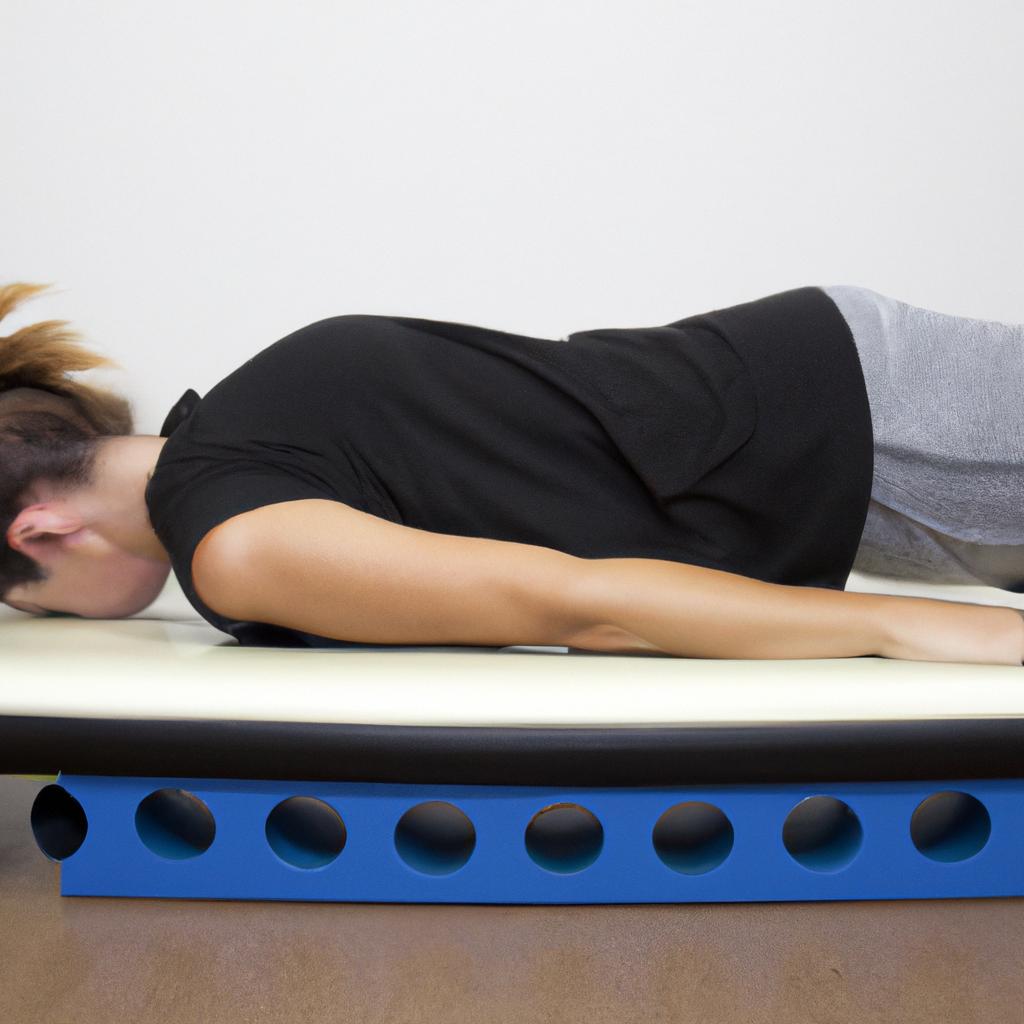
In the pursuit of robust core strength, Pilates offers a treasure trove of transformative exercises that emphasize control, flexibility, and stamina. One cornerstone technique is the “The Hundred”, which not only elevates heart rate but also targets the abdominals effectively. By engaging in rhythmic breathing paired with the synchronized movement of the arms and legs, practitioners can enhance blood circulation and promote a deep connection to their core. Another powerful exercise is the “Roll Up”, which recruits the spine and abdominal muscles to foster spinal articulation and alignment, ultimately contributing to overall body awareness. These movements serve as building blocks in establishing a strong core foundation, essential for all activities, from the most basic to the most advanced.
Moreover, incorporating elements like balanced stability and concentrated strength can take one’s core training to the next level. Techniques such as the “Plank” and “Side Plank” are pivotal in promoting endurance and stability in the core, as they require sustained engagement of multiple muscle groups while focusing on form and alignment. Each of these exercises can be modified to suit varying fitness levels, ensuring inclusivity in practice. A quick reference table below illustrates some key Pilates exercises, the core areas they target, and their associated benefits:
| Exercise | Target Area | Key Benefit |
|---|---|---|
| The Hundred | Abdominals | Increases circulation and core engagement |
| Roll Up | Spine and Abs | Enhances spinal flexibility and control |
| Plank | Transverse Abdominis | Builds overall body strength and stability |
| Side Plank | Obliques | Improves lateral strength and balance |
Integrating Mind and Body: The Holistic Benefits of Pilates for Overall Fitness
In the realm of fitness, Pilates stands out as a practice that seamlessly intertwines physical strength with mental clarity. Engaging in Pilates not only targets core stability but also fosters mindfulness and body awareness, creating a holistic approach to health. Through controlled movements and focused breathing, practitioners develop a stronger connection with their bodies, leading to enhanced flexibility and strength throughout various muscle groups. This dual benefit empowers individuals to cultivate a greater sense of balance in both their physical capabilities and mental well-being. As a result, the principles of **concentration**, **control**, and **precision** inherent in Pilates become foundational elements for overall fitness.
Moreover, the adaptable nature of Pilates makes it accessible for individuals at various fitness levels, promoting inclusivity and personal growth. Participants often experience a cascade of physical benefits that extend beyond core strength, including improved posture, increased range of motion, and a reduction in the risk of injury. The supportive environment fostered in Pilates classes encourages communal growth, where shared experiences motivate personal achievements. To illustrate the diverse benefits of Pilates, consider the following table that highlights key advantages compared to traditional workouts:
| Aspect | Pilates | Traditional Workouts |
|---|---|---|
| Focus Area | Core stability and posture | General muscle groups |
| Mental Connection | Emphasis on mindfulness | Less focus on mental engagement |
| Risk of Injury | Lower due to controlled movements | Higher due to high-impact exercises |
| Accessibility | Customizable for all levels | May require specific fitness levels |
In Summary
the journey to enhanced core stability and overall fitness finds a steadfast ally in Pilates. This transformative practice, rooted in a philosophy of mindful movement, not only fortifies the core but also nurtures a deeper connection between body and mind. By embracing the principles of control, concentration, and precision, individuals can cultivate a robust foundation that supports not just physical strength, but also balance and flexibility in daily life. As we step into a world that demands both resilience and adaptability, integrating Pilates into our fitness routines offers a holistic approach to well-being. Whether you are a seasoned athlete or just beginning your wellness journey, the benefits of Pilates extend far beyond the mat, inviting you to explore the limitless possibilities that await when we strengthen our foundations. So, take a deep breath, engage your core, and allow Pilates to guide you toward a fitter, more balanced self.