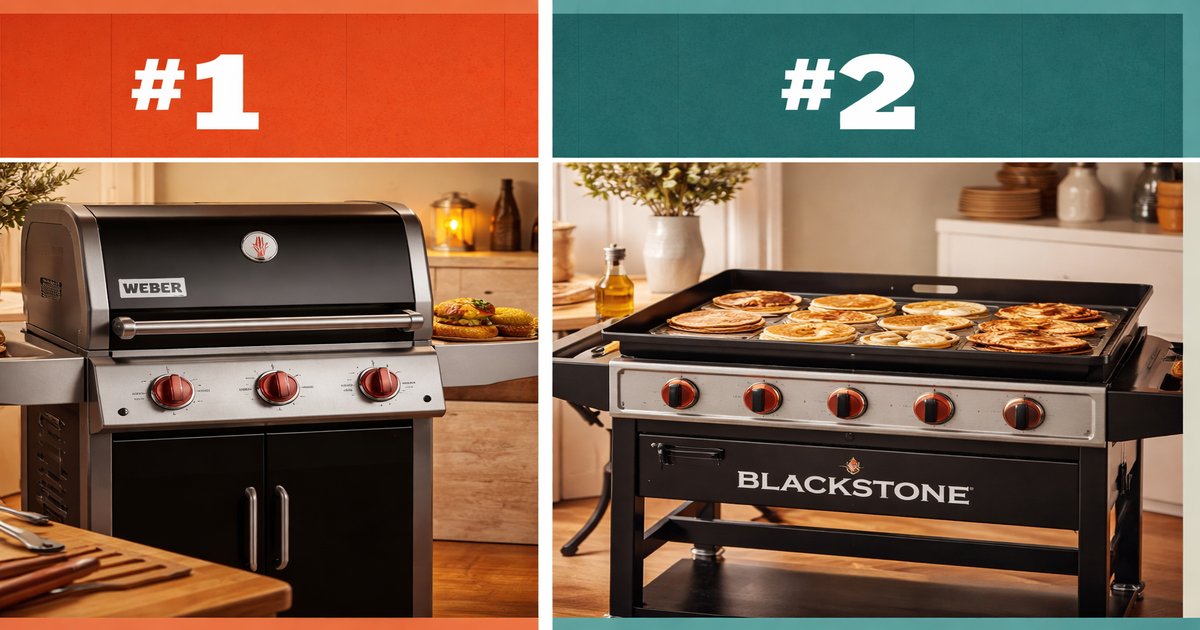
You’re ready to elevate your outdoor cooking game, but the choice between a Weber grill and a Blackstone griddle is weighing on you. Whether you’re sizzling up breakfast or searing steaks, picking the right tool can make all the difference to your culinary success.
| Feature | Weber Grill | Blackstone Griddle |
|---|---|---|
| Cooking Surface Area | 450 sq. in. | 720 sq. in. |
| Heat Control | 3 burners | 4 burners |
| Portability | ✓ | ✓ |
| Durability | Porcelain-enameled steel | Powder-coated steel |
| Fuel Type | Propane/Gas | Propane |
| Price Range | $400-$700 | $300-$500 |
✅ weber Pros
- Excellent heat retention and distribution.
- Versatile for grilling a variety of foods.
- Solid build with long-lasting materials.
❌ weber Cons
- Limited cooking surface area.
- Higher price point compared to competitors.
- Heavier, less portable design.
✅ blackstone griddle Pros
- Large cooking surface ideal for big batches.
- Well-suited for cooking a variety of meals including breakfast.
- More affordable price range.
❌ blackstone griddle Cons
- Can be challenging to clean.
- Not as effective for traditional grilling.
- Requires more frequent maintenance.
Performance
Weber grills excel in performance, particularly when it comes to heat retention and even distribution. If you’re someone who loves the classic grill marks and wants a reliable tool for traditional grilling, Weber’s got your back. Blackstone, on the other hand, shines when you’re cooking for a crowd. The expansive griddle surface allows you to cook multiple items at once, making it perfect for hosting a brunch or a large family gathering. However, don’t expect the same kind of searing power you get from a Weber.
Build Quality
Weber grills are built like tanks. The porcelain-enameled steel construction ensures longevity and resistance to the elements. This makes it a favorite for those who want a durable investment. Blackstone griddles, while sturdy with their powder-coated steel, do require more frequent maintenance to prevent rusting. If you’re not diligent, you may find your griddle’s lifespan shortened, especially if left exposed to the elements.
Value
When it comes to value, Blackstone takes the cake for those on a budget. You get a vast cooking area for a relatively modest price. It’s perfect if you’re looking to feed a crowd without breaking the bank. Weber, though pricier, offers value in terms of longevity and versatility. If grilling is your passion and you’re looking for an investment that lasts, Weber’s higher initial cost pays off in the long run.
Weber’s grills can be a hassle to clean, especially if you’re cooking fatty meats that drip. Meanwhile, Blackstone requires diligent seasoning and protection against rust, which can be a pain if you’re not used to maintaining a griddle. Both require a bit more elbow grease than you might expect.
Our Final Verdict: Which One Should You Buy?
If you’re an occasional griller who loves experimenting with classic BBQ recipes and values durability, go for the Weber grill. It’s a solid investment for someone who enjoys the art of grilling. But if you’re a social butterfly who frequently hosts brunches or large gatherings, the Blackstone griddle is your best bet. Its larger surface area and affordability make it ideal for cooking big meals efficiently.
How portable are these grills?
Both Weber and Blackstone offer models with wheels for easier mobility, but Weber grills tend to be heavier, making them slightly less portable than Blackstone griddles.
Can I use these griddles year-round?
Yes, but both require some maintenance. Weber grills need regular cleaning to prevent buildup, while Blackstone griddles require seasoning and weather protection to prevent rust.
Which is better for a beginner?
A Blackstone griddle can be more forgiving for beginners due to its large surface and straightforward cooking method, while Weber grills require a bit more skill to master traditional grilling techniques.